
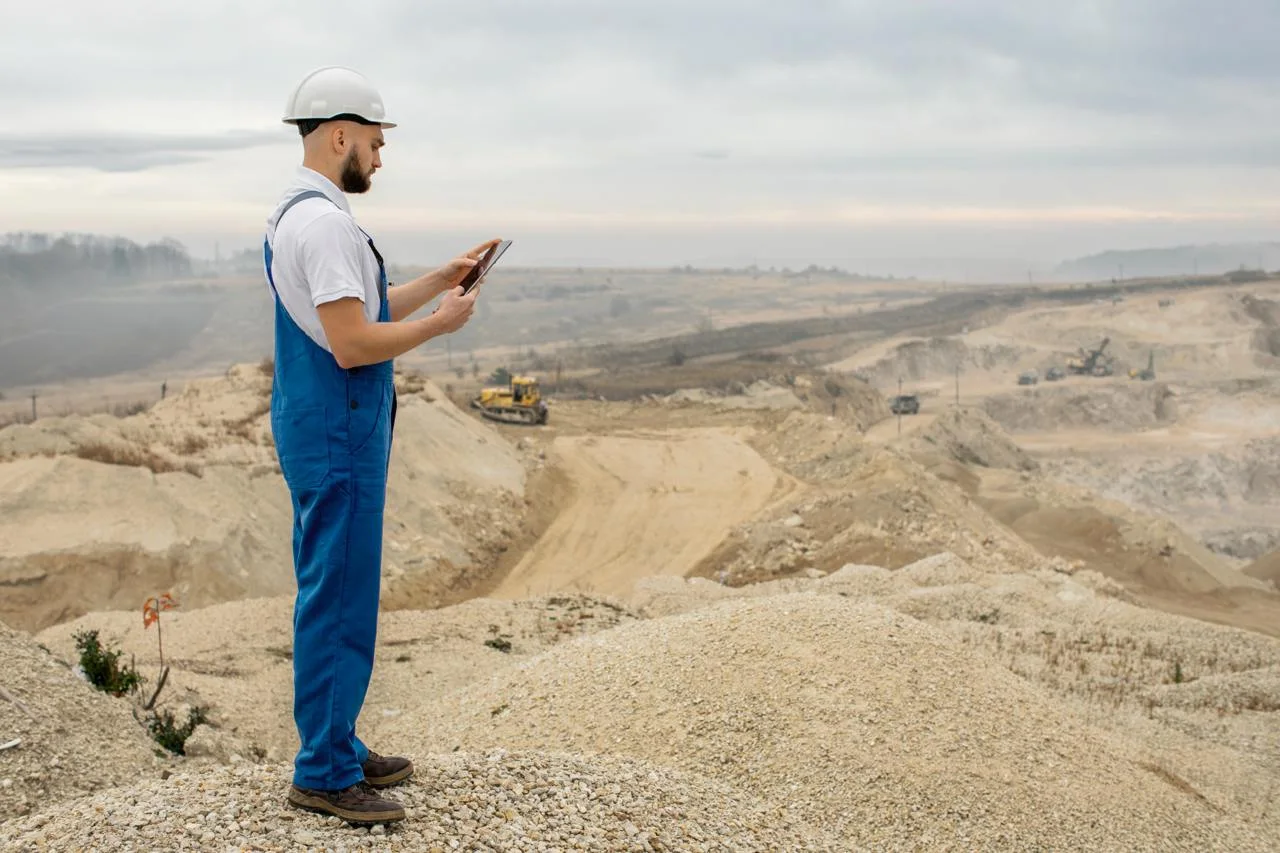
Soil Testing Services Across British Columbia: Why Site Investigation Matters Before Construction
Every Construction Project Begins With Understanding the Ground
Before a building, road, or infrastructure project is constructed, one important question needs to be answered:
Is the ground suitable for the structure being planned?
The answer cannot be determined by looking at the surface alone.
Soil conditions below the ground can influence foundation performance, pavement durability, drainage, and overall construction safety.
This is why professional soil testing services in British Columbia are an essential part of many construction projects.
Through detailed site investigation and soil analysis, engineers understand ground conditions and provide recommendations that help projects move forward safely and efficiently.
Why Soil Testing Is Important in British Columbia Construction
British Columbia has diverse landscapes and geological conditions.
Construction sites across the province can experience differences in:
- Soil types
- Groundwater conditions
- Terrain
- Previous land use
- Drainage characteristics
A site that appears suitable on the surface may have hidden challenges below ground.
Professional soil testing helps identify these conditions before construction begins.
It allows engineers, builders, and developers to make decisions based on actual site information rather than assumptions.
What Are Soil Testing Services?
Soil testing services involve investigating and analysing soil conditions at a construction site.
The purpose is to understand how the ground will respond to the planned structure.
A geotechnical soil investigation may evaluate:
- Soil composition
- Soil strength
- Bearing capacity
- Settlement potential
- Moisture conditions
- Groundwater levels
The results help engineers develop recommendations for safe and practical construction.
What Happens During a Soil Investigation?
A professional soil investigation generally includes several stages.
Reviewing Site Information
Before fieldwork begins, engineers review available information about:
- Property location
- Project type
- Existing conditions
- Construction requirements
This helps determine the appropriate investigation approach.
Field Investigation and Sampling
Engineers collect information from the site using methods such as:
- Borehole drilling
- Soil sampling
- Field testing
- Groundwater observations
These investigations reveal the different soil layers below the surface.
Laboratory Testing
Collected samples may be tested to understand engineering properties such as:
- Soil strength
- Moisture content
- Density
- Composition
Laboratory results provide additional information needed for engineering analysis.
Geotechnical Report Preparation
After completing the investigation, engineers prepare a report with recommendations related to:
- Foundation design
- Excavation
- Soil improvement
- Drainage
- Construction considerations
How Soil Testing Supports Foundation Design
The foundation is one of the most important components of any structure.
It transfers the building load into the ground.
However, different soils support structures differently.
Soil testing helps engineers determine:
- Suitable foundation options
- Required foundation depth
- Soil bearing capacity
- Settlement considerations
Without proper soil information, foundation decisions may be based on incomplete information.
Soil Testing for Residential Construction
Many homeowners do not realise how important soil conditions are before building.
Soil testing can support projects such as:
- New home construction
- Home additions
- Basement development
- Structural modifications
Understanding ground conditions early can help prevent future issues such as:
- Foundation movement
- Cracking
- Drainage problems
- Unexpected construction costs
Soil Testing for Commercial and Infrastructure Projects
Large projects require detailed understanding of ground conditions.
Developers and contractors may require soil testing for:
- Commercial buildings
- Industrial facilities
- Roads
- Parking areas
- Infrastructure projects
Engineering recommendations help ensure that designs match actual site conditions.
Risks of Skipping Professional Soil Testing
Avoiding soil investigation may create challenges during or after construction.
Possible problems include:
Foundation Settlement
Weak or compressible soil can cause uneven movement of structures.
Construction Delays
Unexpected ground conditions discovered during construction can require design changes and additional work.
Increased Costs
Fixing soil-related problems after construction can be significantly more expensive than identifying them early.
Pavement Failures
For roads and parking areas, poor understanding of subgrade conditions can lead to cracking and premature deterioration.
Why Local Soil Testing Expertise Matters in British Columbia
When choosing soil testing services in British Columbia, local knowledge is valuable.
A geotechnical company familiar with BC conditions understands that different regions may present different challenges.
Local expertise helps engineers consider:
- Regional soil characteristics
- Climate effects
- Groundwater conditions
- Construction requirements
This supports more accurate and practical engineering recommendations.
Choosing the Right Soil Testing Company in BC
When selecting a geotechnical testing company, consider:
Qualified Engineering Professionals
Soil testing results must be properly interpreted by experienced geotechnical engineers.
Complete Investigation Services
A reliable company should provide:
- Site investigation
- Soil testing
- Engineering analysis
- Clear reporting
Experience Across Different Project Types
Experience with residential, commercial, and infrastructure projects helps consultants understand different construction needs.
Practical Recommendations
A good soil testing report should provide useful information that helps designers and contractors make decisions.
Pacific Geotechnical: Soil Testing Services Across British Columbia
Pacific Geotechnical provides geotechnical engineering solutions for construction projects throughout British Columbia.
Their services include:
- Soil testing
- Geotechnical investigations
- Foundation design support
- Pavement assessment and design
- Engineering recommendations
By understanding ground conditions before construction begins, Pacific Geotechnical helps clients reduce risks and develop safer, more reliable projects.
Frequently Asked Questions
Why is soil testing required before construction?
Soil testing helps determine whether the ground can safely support a planned structure and provides information needed for proper design.
How does soil affect building foundations?
Soil strength, settlement behaviour, and groundwater conditions influence foundation design and long-term building performance.
Is soil testing only needed for large projects?
No. Residential, commercial, and infrastructure projects may all benefit from professional soil investigation.
What does a soil test report include?
A soil report may include information about soil conditions, groundwater, bearing capacity, and engineering recommendations.
How early should soil testing be done?
Soil testing should be completed during the planning stage before final design and construction decisions are made.
Final Summary
The success of any construction project depends on what exists beneath the surface.
Professional soil testing services in British Columbia help homeowners, builders, and developers understand ground conditions, reduce construction risks, and make informed engineering decisions.
A detailed soil investigation provides the foundation for safer buildings, stronger pavements, and more successful construction projects across BC.